Triple Whale Review (2026): Attribution and analytics for Shopify brands
Triple Whale combines a first-party pixel, a unified ad dashboard and the Moby AI agent. We assess who needs it, how pricing scales and its limits.
Check it out Affiliate link · Disclosure
What it is
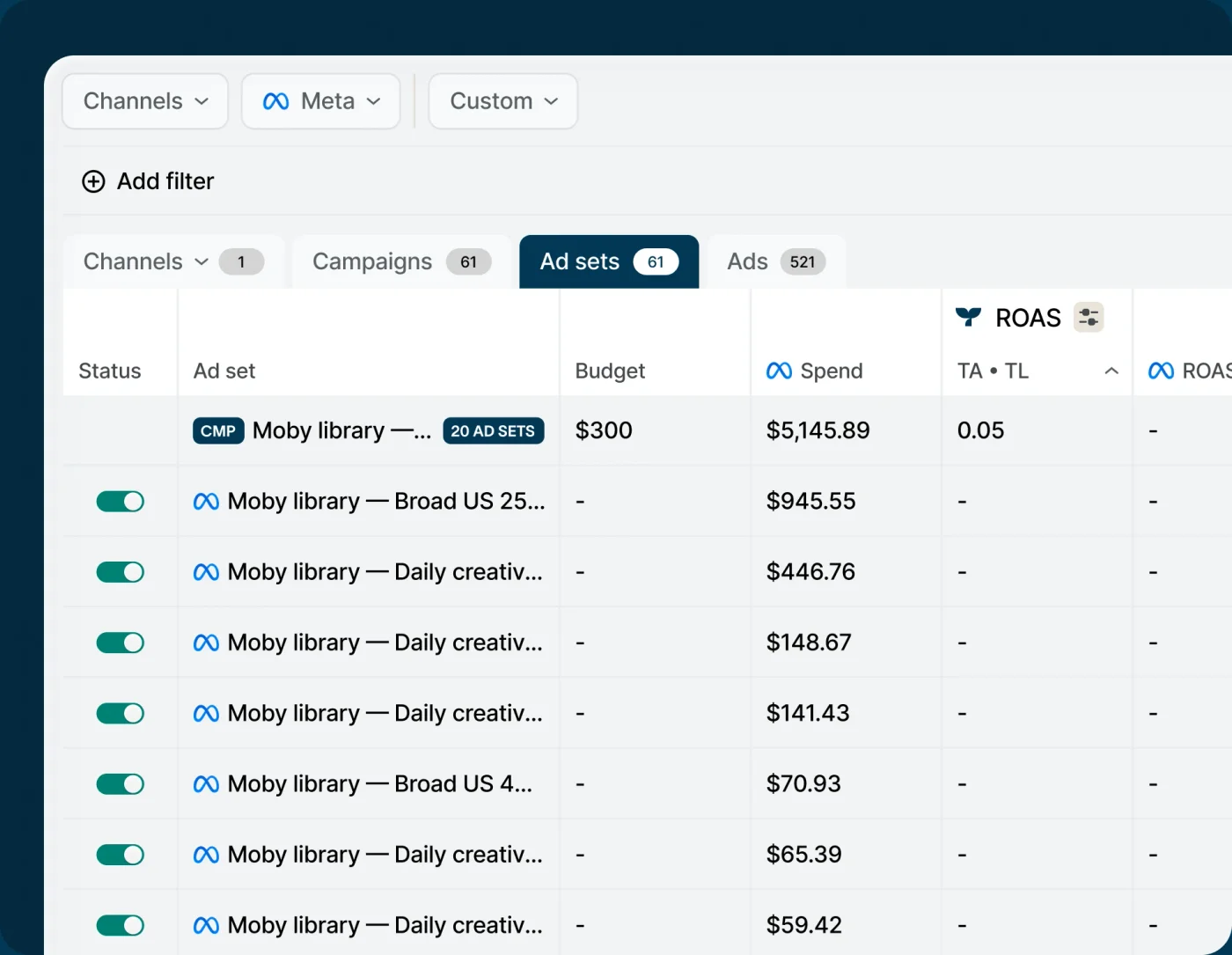
Triple Whale is an analytics and attribution platform for direct-to-consumer ecommerce brands, with Shopify as its home turf. It pulls orders, ad spend and marketing data from Shopify, Meta, Google, TikTok, Klaviyo and other sources into one dashboard, and uses its own first-party pixel to reconstruct which ads and channels actually led to purchases. The goal is to give you a view of return on ad spend and customer acquisition cost that is closer to reality than the numbers each ad platform reports about itself.
The company is based in the United States and sells to DTC brands, their agencies and in-house growth teams. Over the last couple of years it has layered an AI agent, Moby, on top of the data so you can ask questions in plain English and get reports, summaries and anomaly alerts without building dashboards.
Who it is for
- Shopify brands spending meaningfully on paid social and search who need to reconcile platform-reported ROAS with real orders.
- Growth teams that want one daily summary across channels instead of logging in to five ad managers.
- Agencies that report on performance for several ecommerce clients and need consistent, defensible attribution.
- Founders and operators who want to ask “what was blended CAC last week” and get an answer, not a spreadsheet project.
- Brands running post-purchase surveys and creative testing who want that data next to spend.
Probably not for you if…
- You sell on a platform other than Shopify, where coverage is thinner.
- Your ad spend is small enough that platform dashboards and Shopify’s own reports are good enough.
- You need general website analytics, content performance or product analytics rather than marketing attribution.
Key features
Triple Pixel and multi-touch attribution
The Triple Pixel is a first-party tracking script that records visits and ties them to orders, independent of the ad platforms’ own pixels. You can view results under several attribution models, including first click, last click, linear and Triple Whale’s own blended model, and compare them side by side. In our view this is the core value: it restores a level of visibility that iOS privacy changes and cookie restrictions removed.
Unified summary dashboard
The Summary page shows revenue, spend, blended ROAS, CAC, margin and other metrics across all connected channels in one place. You can customise it, set targets and compare periods. For many brands this replaces a manually maintained spreadsheet.
Moby AI agent
Moby lets you ask questions about your data in natural language and returns answers, charts and reports. It can also generate scheduled summaries and flag unusual movements in spend or conversion. We think it genuinely saves analyst time, with the usual caveat that you should check the numbers behind any surprising answer.
Creative and cohort analytics
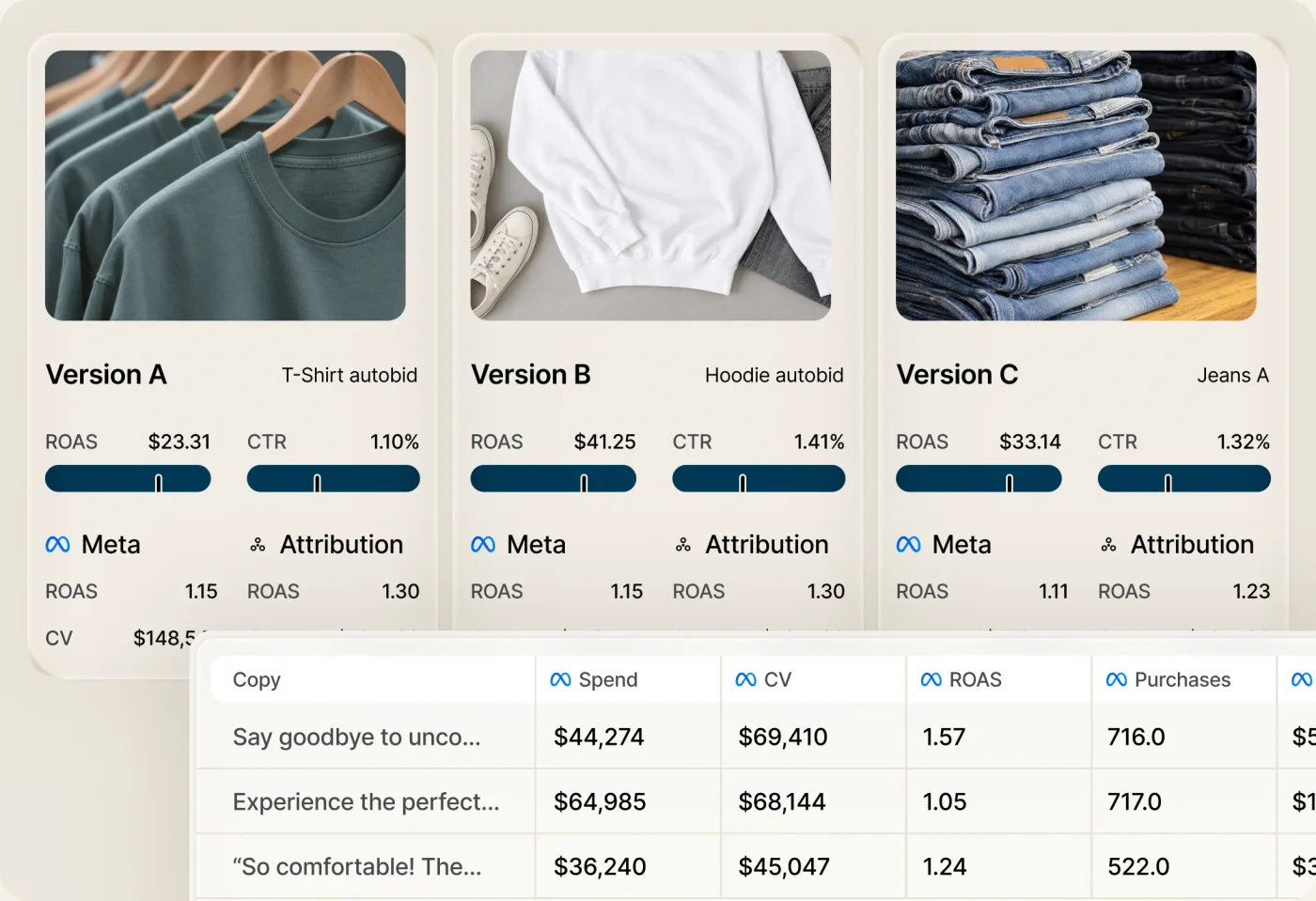
The Creative Cockpit groups performance by ad creative across platforms so you can see which hooks and formats work. Cohort and lifetime-value reporting shows how customers acquired in a given month behave over time, which is essential for judging whether a higher CAC is acceptable.
Post-purchase surveys and customer data
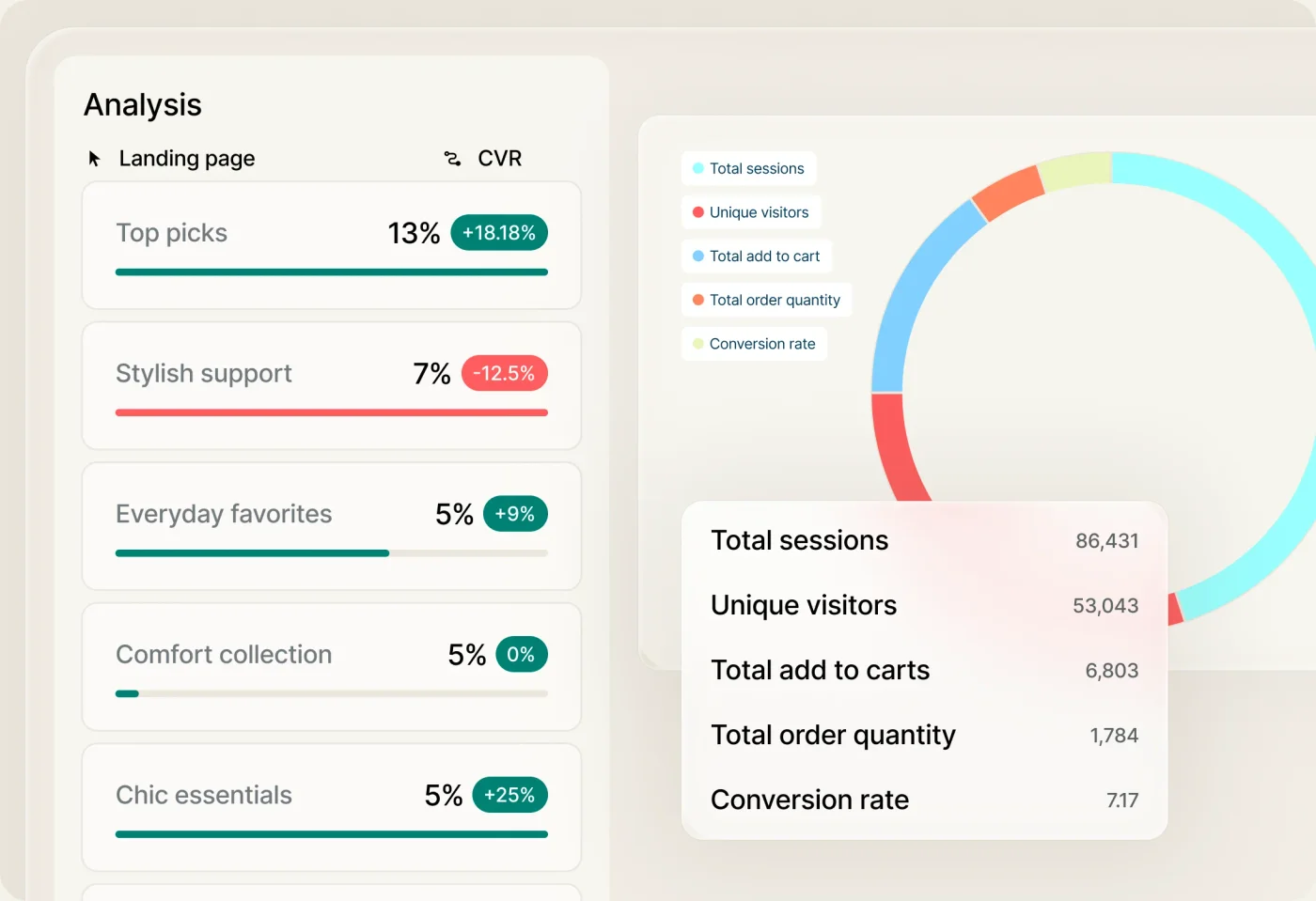
Built-in post-purchase surveys ask customers how they found you and feed that into attribution. Combined with order data, this gives a self-reported layer that is helpful for channels the pixel cannot see well, such as podcasts or influencer content.
Integrations and mobile app
Native integrations cover the major ad platforms, Shopify, email and SMS tools, Amazon and several others. A mobile app surfaces the key metrics and alerts, which founders tend to appreciate.
Pricing
Triple Whale has a free tier that covers basic dashboards and limited data sources, which is a useful way to evaluate the connections before committing. Paid plans scale with your store’s revenue, so the cost grows as your business grows, and higher tiers unlock the full pixel, attribution models, Moby, creative analytics and more data history. Agencies have separate arrangements. Because pricing is revenue-based, it is worth estimating where you will sit over the next year rather than today. For current tiers, check the Triple Whale pricing page. Some links in this review may be affiliate links; they do not change the price you pay.
Pros
- Attribution from the first-party pixel is far more useful than platform-reported numbers alone.
- One dashboard across Shopify and all major ad channels, with targets and period comparisons.
- Moby turns a lot of routine reporting into a question-and-answer exchange.
- Creative, cohort and survey data sit next to spend, which is where you need them.
- The free tier lets you test data connections before paying.
Cons
- Pricing climbs as revenue grows, which can feel steep for brands with thin margins.
- Shopify-centric; support for other ecommerce platforms is weaker.
- The volume of metrics and models can be overwhelming at first and needs setup time.
- The pixel still cannot see everything, so attribution remains a model, not a ground truth.
Alternatives
- Northbeam if you are a larger brand that wants heavier modelling and media-mix analysis and can justify the cost.
- Polar Analytics if you want a simpler, lower-cost unified dashboard and care less about multi-touch attribution.
- AdCreative.ai is not a substitute, but pairs well if your bottleneck is producing creatives to test rather than measuring them.
Verdict
Rating: 4.3/5. This is the highest rating in this batch, and we think it is justified by how directly Triple Whale addresses a problem every paid-media ecommerce brand has: not knowing what is actually working. If you run a Shopify store with real ad spend, the pixel, unified dashboard and Moby agent will probably change how you make budget decisions. Buy it if your spend is large enough that better attribution could move meaningful money. Skip it if you are on another platform, if your spend is small, or if a lighter dashboard tool already answers your questions, because the cost scales with revenue and you should only pay for insight you will act on.
Check the current price and what is included on the official site.