Academy › AI-Assisted KDP Books › Lesson 6
Title, keywords and description
Write accurate metadata that helps the right reader find and understand your book. · 9 min read
Your listing is a promise. The title, keywords and description should help the right reader choose your book and the wrong reader skip it.
What you will build
A complete metadata sheet: title and subtitle, seven keywords, two categories and a description.
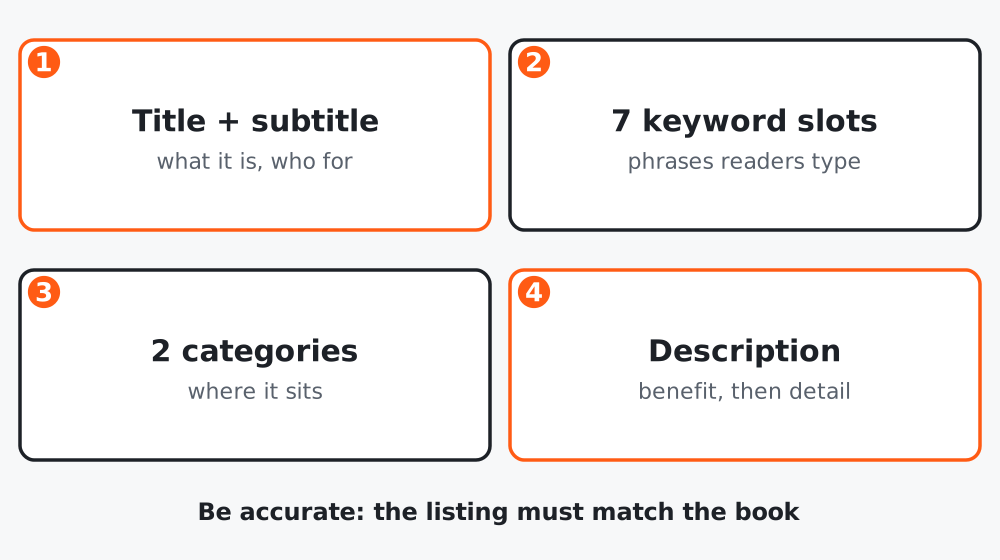 Figure 1. Four things to get right, in this order.
Step 1: Title and subtitle
State plainly what it is and who it is for. Avoid misleading claims or words that promise results the book cannot deliver.
Write 8 title and subtitle options for this book: [promise from lesson 1].
Rules: the subtitle states the format and reader; no claims of guaranteed
results; no brand names or trademarks; under 150 characters in total.
Mark which options are clearest for a buyer who has never heard of us.
Step 2: Keywords
Use phrases a buyer would type, taken from real searches and listings, not from your imagination. Our guide to KDP keyword research shows how to find them.
Here are phrases found on competing listings and search suggestions: [paste].
Group them into 7 keyword slots, each a natural phrase of up to 50 characters.
Do not repeat words already in the title. Do not add phrases that are not
supported by the list. Do not use brand names or competitor titles.
Check KDP’s current rules for keyword fields: the number of slots and their limits are defined by KDP.
Step 3: Categories
Choose categories where your book genuinely belongs. See how to choose categories for the process, and confirm the current category options in KDP.
Step 4: Description
Lead with the reader’s problem and the benefit, then describe what is inside, then a short line on who it is for. See our description formula.
Write a 150 to 200 word book description. Structure: one-sentence hook about
the reader's situation; what the book gives them; what is inside (from this
list: [contents]); who it is for. Plain language, short paragraphs.
Do not invent awards, reviews or statistics. Do not promise outcomes.
Step 5: Accuracy pass
Compare every sentence to the actual book. Remove anything the book does not contain. KDP’s guidelines warn against descriptions that mislead customers, and it affects reviews.
Worked example
A planner was first titled with “ultimate” and a promise of “productivity in 30 days”. After the accuracy pass the title said what it was (undated weekly planner for freelancers), the description listed the real contents, and the book earned fewer wrong-fit refunds and returns.
Common mistakes
- Stuffing keywords that do not describe the book.
- Using competitor or brand names.
- Describing features the book does not have.
Checklist
- Title and subtitle say what it is and who it is for
- Keywords come from real buyer phrases
- Categories are honest
- Description matches the book exactly